6 Signs Your AC Needs Service Before Arizona Summer | AutoWits Scottsdale

Alexander Jones • April 30, 2026

Six warning signs your car's AC is asking for service

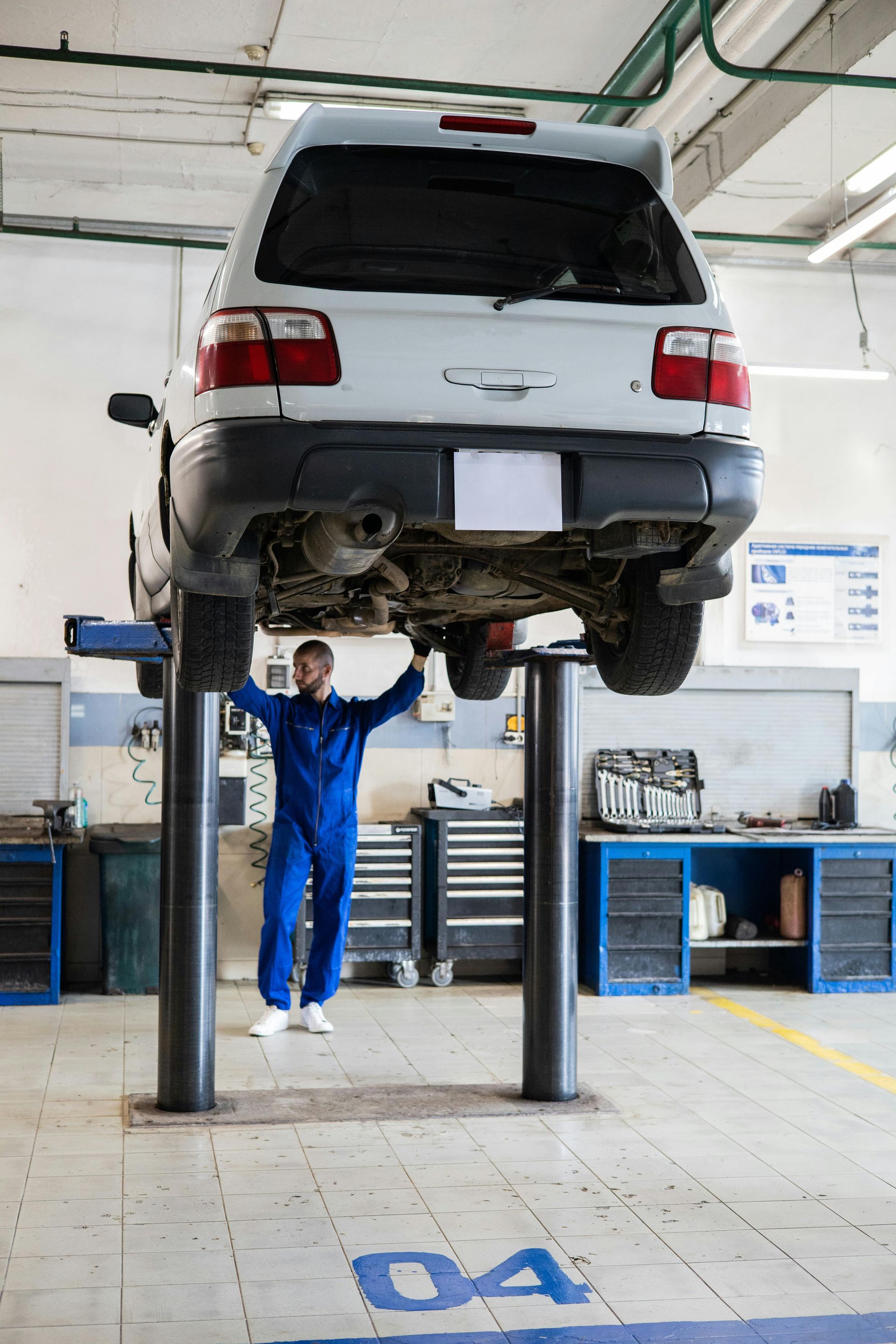
mechanic inspecting car AC system at AutoWits Scottsdale auto repair shop

You know the feeling. It's 108 degrees in Scottsdale, you slide into a sun-baked driver's seat, crank the AC to max — and after a couple of minutes the air is still lukewarm. By the time you reach Mesa or Tempe, you're soaked through your shirt and the dash is somehow hotter than the parking lot.


Arizona summer doesn't give your AC system a soft landing. By the time temperatures spike in June, anything weak in the system gets exposed fast. The good news is that the warning signs almost always show up before the system fails completely — if you know what to listen and feel for. Here are six of the most common signs your car's AC is asking for attention.


1. The Air Isn't As Cold As It Used To Be


This is the most common complaint we hear all spring. The AC still blows, but a few minutes after start-up the vents are putting out air that's only mildly cool — not the icy blast you remember. Most of the time this points to low refrigerant, a slow leak in the system, or a compressor that's starting to lose efficiency.


Refrigerant doesn't get used up in a healthy system, so a noticeable drop in cooling power almost always means there's a leak somewhere — typically at a fitting, a hose, or the condenser. A proper AC repair and service inspection finds the leak before the system runs dry and damages the compressor.


2. Weak Airflow From the Vents


If the temperature seems fine but the vents only push out a soft breeze, the issue may not be the AC system at all — it could be your cabin air filter. A clogged filter chokes off airflow long before it warms up the cabin. Drivers in Paradise Valley and the surrounding area deal with extra dust during haboob season, and filters fill up faster than the manufacturer's recommended interval.


Other airflow problems include a failing blower motor or duct issues. The good news: a cabin filter swap is cheap and quick, and we often combine it with a regular air filter replacement service. We'll let you know if the filter alone explains it or if more diagnosis is needed.


3. Strange Smells When the AC Turns On


A musty, mildew-y odor from the vents is a classic sign of moisture and mold buildup on the evaporator coil — especially common in cars that mostly drive short trips, where the system never fully dries out. A sweet, syrupy smell could mean coolant is leaking into the cabin from a failing heater core. A burning or hot-electrical smell is more serious and could point to the blower motor or a wiring issue.


Don't ignore weird AC odors. They often start small and get worse fast in the heat. We can pinpoint the source during a free vehicle inspection so you're not breathing in mold or fumes on your daily commute.


4. Unusual Sounds When the AC Kicks On


When you switch the AC on, you should hear the soft hum of the blower and a quiet click as the compressor engages. If you hear a loud screech, a rattling, or a grinding sound when the AC starts up, something inside the system is unhappy. The compressor clutch may be wearing out, the serpentine belt could be slipping, or a bearing in the compressor itself may be on its way out.


Catching this early is the difference between a belts and hoses service and a full compressor replacement — which is one of the more expensive AC repairs. The longer you drive on a noisy compressor, the more likely you'll need the bigger fix.


5. The AC Cycles On and Off Repeatedly


In a healthy system, the compressor cycles in steady, predictable intervals. If you can hear it kicking on and off rapidly — every few seconds — there's a problem. Usually this is short cycling, which can be caused by low refrigerant, a failing pressure switch, an overheating compressor, or a clogged condenser. It's especially common in cars that have spent their lives parked outdoors in Phoenix sun, where the condenser fins clog with debris and lose their ability to dump heat.


Short cycling stresses every other component in the AC system. A cooling system service inspection looks at the radiator, condenser, and AC components together because they all work side by side under the hood.


6. It's Been a Long Time Since Your Last AC Inspection


Even if everything seems fine, AC systems benefit from periodic inspection — especially in our climate. Refrigerant levels drift slowly, seals dry out in the heat, and condensers gradually fill with road grime. A vehicle that hasn't had its AC checked in 2–3 years is overdue, even if the air still feels cold.


We routinely catch small leaks and worn components on cars that drivers in Chandler and the East Valley assumed were running fine. Better to know about a slow leak in May than to find out about a failed compressor in late July. If you can't remember your last AC inspection, this is the year to fix that.


Arizona summer is unforgiving on weak AC systems, and a small problem in spring almost always becomes a big problem by July. If you've noticed any of the signs above — or you just want peace of mind before the temperatures climb — bring your vehicle into AutoWits for a free vehicle inspection. We'll check refrigerant levels, the compressor, hoses, and the cabin filter, and we'll give you an honest read on what (if anything) needs work. Browse our current specials and coupons for seasonal savings, call us at (480) 616-1100, or book online — we serve Scottsdale, Mesa, Tempe, Paradise Valley, Chandler, and Phoenix.

mechanic checking wheel alignment on a vehicle at AutoWits Auto Repair in Scottsdale Arizona
By Alexander Jones April 29, 2026
Tires wearing unevenly? Steering pulling to one side? Learn the top signs your car needs a wheel alignment. Free inspection at AutoWits Scottsdale — call today.
By Autowits Service April 26, 2026
Discover expert tire services at AutoWits Auto Repair in Scottsdale, AZ. Ensure safety with our quality tire replacements. Schedule an appointment today!
mechanic inspecting brake rotor and caliper during brake service at AutoWits Scottsdale
By Alexander Jones April 23, 2026
Hear a squeal, grind, or soft pedal? Learn the top brake warning signs every Scottsdale driver should watch for — book a free inspection at AutoWits today.
By Alexander Jones April 21, 2026
You're cruising down the Loop 101 when that little amber glow flickers onto your dashboard. Suddenly every sound, every shift, every bump feels suspicious. Is it serious? Can you keep driving? Should you pull over right now? The check engine light is one of the most misunderstood warnings on your vehicle, and for good reason — it can mean something as small as a loose gas cap or something as serious as a failing catalytic converter. What it never means is "nothing." At AutoWits Auto Repair in Scottsdale, we see drivers every week who waited too long to have that light diagnosed, and what could have been a $150 fix turned into a $2,000 repair. Here's what the light is really trying to tell you, and why getting it looked at sooner rather than later is almost always the smart move. Why the Check Engine Light Should Never Be Ignored The check engine light, officially called the malfunction indicator lamp, is wired into your vehicle's onboard diagnostic system. When it turns on, a sensor somewhere in your engine, emissions system, or transmission has detected that something is operating outside its normal range. That sensor isn't guessing — it's measuring. Ignoring the warning lets small issues spiral into big ones. A faulty oxygen sensor, left alone, causes your engine to run rich or lean, burn more fuel, and eventually damage the catalytic converter — one of the costliest parts on your vehicle. Plenty of drivers in Mesa and Tempe figure they'll "get to it later," only to walk into a much larger repair bill a few weeks down the road. A prompt check engine light diagnostic catches the problem before it starts breaking other things. Common Reasons Your Check Engine Light Comes On There are thousands of potential trigger codes, but a handful of causes account for most of the check engine lights we see at our shop. Loose or damaged gas caps top the list, especially after a fill-up. Faulty oxygen sensors are another big one — they hurt fuel economy long before you'd notice at the pump. Worn spark plugs and failing ignition coils cause misfires that trip the light. Mass airflow sensor trouble leads to rough idle and poor acceleration. EVAP system leaks show up often in the Phoenix area, where desert heat ages rubber seals faster than cooler climates. The right fix always depends on the right diagnosis, and that's where professional tools and pattern recognition matter. Our tune-up service often catches and corrects the small issues that set off that warning in the first place. Steady vs. Flashing: What the Light Is Really Telling You Not every check engine light means the same thing, and understanding the difference can save your engine. A steady, solid check engine light means something is wrong but it isn't an immediate emergency. You can typically drive to your mechanic safely — but you shouldn't put it off. Drive gently, skip the heavy loads, and schedule a visit within a day or two. A flashing check engine light is a completely different story. A flashing light almost always indicates an active misfire, which dumps unburned fuel into your exhaust and can destroy your catalytic converter in a matter of miles. If your light is flashing, pull over somewhere safe, reduce engine load, and call us at 480-616-1100. Don't try to power through on your way home from Paradise Valley or Chandler — the drive home could cost you thousands in added damage. Why DIY Code Readers Only Tell Half the Story You've probably seen the inexpensive OBD-II code readers at auto parts stores — plug it in, pull the code, done. The problem is that the code is a symptom, not a diagnosis. Take a P0420 code, one of the most common. It points to catalytic converter efficiency, so the easy assumption is "replace the cat." But the actual root cause is often a failing oxygen sensor, a small exhaust leak, or an engine running rich for another reason entirely. Replace the converter without fixing the underlying issue and the new one will fail too — you'll be back in the shop and out another $1,500 or more. Professional diagnostics go far beyond reading the code. At our shop we combine code data with live sensor readings, smoke testing for leaks, targeted component testing, and years of pattern recognition from working on thousands of vehicles across the East Valley. That's how a small issue stays a small issue. What a Professional Diagnostic at AutoWits Actually Looks Like When you bring your vehicle in for a check engine light, here's what happens. First, we perform a full scan of every module — not just the engine, but transmission, ABS, airbag, and body systems — because sometimes a stored code in one module points to the real cause of another. Next, we review live data, watching sensors in real time to catch intermittent faults that disappear when the car sits still. Then comes a visual inspection: loose connectors, damaged wiring, vacuum leaks, obvious wear. From there we move to targeted testing — pinpointing the exact failing component instead of guessing and throwing parts at the problem. Finally, you get a written estimate laying out what needs to be fixed, what it will cost, and what can wait. We also include a free vehicle inspection when you come in for diagnostics, so you'll know about any other issues developing — ideally before they trigger their own warning lights. Catching Problems Early Saves You Real Money Here's the math that matters. A diagnostic visit is a small fee. Catching a failing sensor, ignition coil, or vacuum leak early can prevent damage to your catalytic converter ($1,200–$2,500), your engine ($3,000+), or your transmission ($2,500 and up). We see it constantly at the shop — a driver from the East Valley comes in with a flashing light they've been ignoring for three weeks, and what should have been a $200 coil pack is now a full catalytic converter replacement. The check engine light isn't your enemy. It's your car trying to save you money. Pair diagnostics with routine service like a timely oil change or electrical system check to head off wear-and-tear issues before they ever light up your dashboard. A check engine light is your vehicle asking for help. Don't guess, and don't ignore it — get it diagnosed by a shop that will give you a straight answer and a fair price. Bring your car into AutoWits for a free vehicle inspection and transparent diagnostics from technicians who care about your car and your wallet. Plus, check out our current specials and promotions to save even more on your visit. Call us at 480-616-1100 or schedule online today. We proudly serve Scottsdale, Mesa, Tempe, Paradise Valley, Chandler, and the greater Phoenix area — and we'd love to help you get that light off your dashboard for good.
ASE-certified technician testing a car battery during a free inspection at AutoWits Scottsdale
By Alexander Jones April 18, 2026
Spot a dying car battery before it leaves you stranded. See the top warning signs and get a free battery check at AutoWits Scottsdale. Call (480) 616-1100.
mechanic inspecting engine belts and hoses during vehicle service at AutoWits Scottsdale
By Alexander Jones April 14, 2026
Worn belts and hoses can leave you stranded in Arizona heat. Learn the warning signs and when to get them replaced. Free inspections at AutoWits Scottsdale.
Mechanic performing coolant flush and cooling system service on vehicle engine at AutoWits Auto Repa
By Alexander Jones April 9, 2026
Learn why coolant flushes are critical for Arizona drivers. AutoWits in Scottsdale explains the warning signs and how to protect your engine. Free inspections!
By Alexander Jones April 7, 2026
Get your car ready for spring with these 5 essential maintenance tips from AutoWits Auto Repair. From tire checks to AC inspections, keep your vehicle safe.
AutoWits Auto Repair mechanic performing spring vehicle tune-up service in Scottsdale AZ
By Alexander Jones April 2, 2026
Is your vehicle ready for Scottsdale's summer heat? AutoWits Auto Repair offers expert spring tune-up services for Valley drivers. Call today and schedule now!
Mechanic inspecting car engine during spring maintenance at AutoWits Auto Repair in Scottsdale, Arizona — A/C, cooling system, battery, belts, and fluid checks
By Alexander Jones March 31, 2026
Prepare your car for Arizona summer with this spring maintenance checklist from AutoWits in Scottsdale, AZ. A/C, cooling system, battery, belts & more. Book today!
More Posts