Warning Signs Your Car Battery Is Failing | AutoWits Scottsdale
Alexander Jones • April 18, 2026
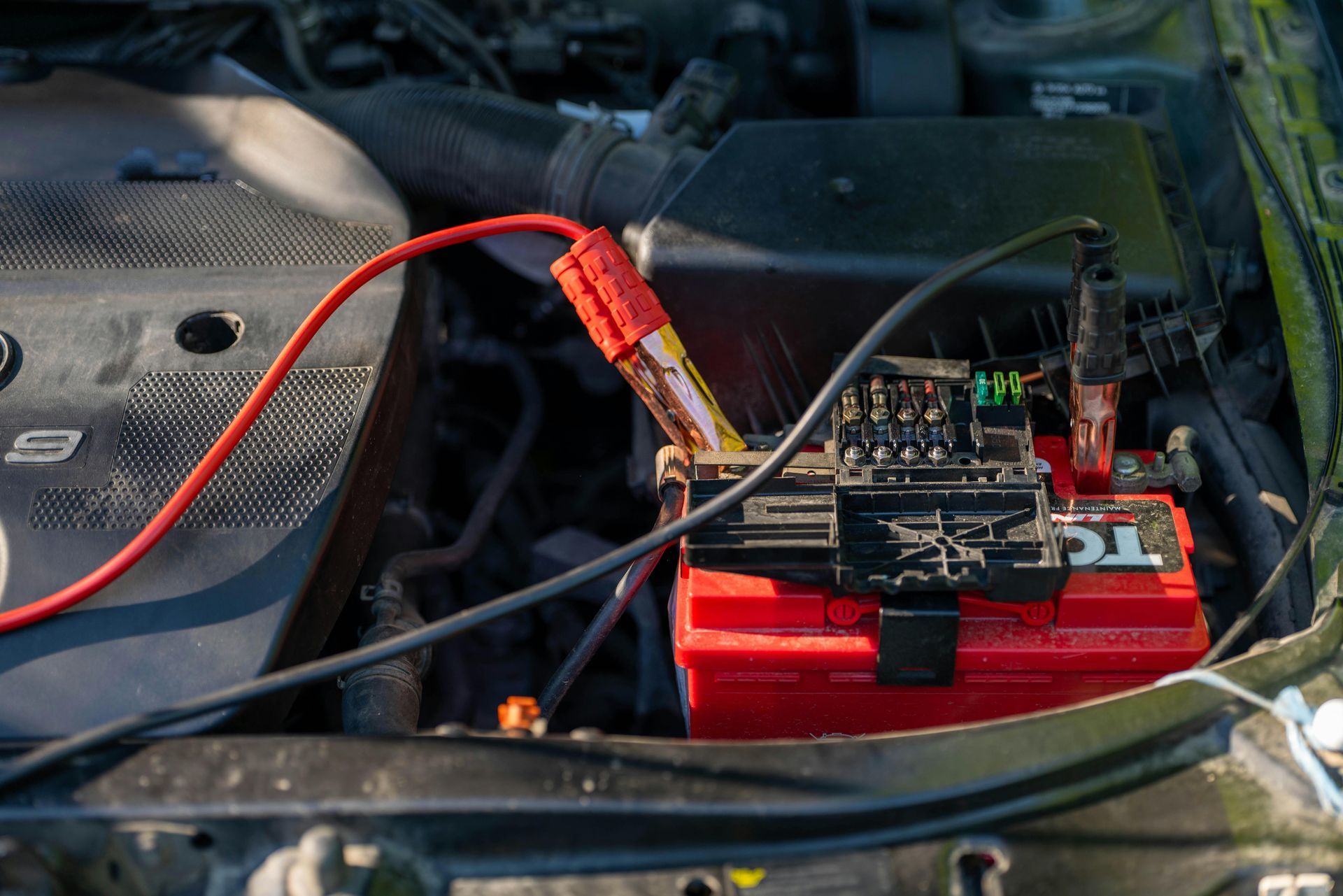
A car battery that's about to quit rarely gives you a big, dramatic warning. More often, it hints at the problem for weeks — a slightly lazy crank in the morning, headlights that look a little dim, an infotainment system that hiccups on startup. Then one Tuesday in a parking lot, you turn the key and nothing happens. If your battery is more than a few years old, or if you've noticed anything "off" lately, it's worth paying attention. Arizona is one of the toughest environments in the country on batteries, and catching a weak one early is the difference between a quick replacement and a tow truck.
Why Arizona Is Especially Hard on Car Batteries
Most people assume cold weather is what kills batteries, but in the Valley it's the opposite. Heat is the real killer. Sustained summer temperatures in Scottsdale, Mesa, and Chandler cause the fluid inside a lead-acid battery to evaporate and the internal plates to corrode faster. That's why a battery that would easily last five years in a mild climate often gives up after two or three down here. If your current battery has been through a couple of Arizona summers, it's already living on borrowed time. A quick battery test and inspection
is the easiest way to find out exactly where yours stands before the next heatwave hits.
Slow Engine Crank in the Morning
One of the earliest signs a battery is fading is the way your engine cranks at startup. A healthy battery turns the starter quickly and confidently. A weak one sounds sluggish — that "rur-rur-rur" that takes an extra second or two before the engine catches. You may only notice it first thing in the morning or after the car has sat for a few hours. Don't write it off as "just a cold start" — in Arizona, it almost never is. If you've been hearing that lazy crank around Paradise Valley or the Loop 101 corridor, it's worth having the starting and charging system checked before it turns into a no-start.
Dim Headlights and Flickering Electronics
Your battery doesn't just start the car — it also stabilizes voltage for every electrical component on board. When it's on the way out, the symptoms show up in unexpected places. Headlights that look noticeably dimmer at idle and brighten when you rev the engine are a classic clue. So are flickering dash lights, power windows that roll up more slowly, or an infotainment screen that reboots at random. These are all signs the electrical system
is struggling to keep up. A proper diagnosis can tell you whether the culprit is the battery itself, the alternator, or a bad ground — problems that look identical from the driver's seat.
Corrosion, Swelling, or a Bad Smell Under the Hood
Sometimes your battery will literally show you it's in trouble. Pop the hood and look at the terminals. Fluffy white, blue, or green powder around the posts is corrosion, and it disrupts the connection between the battery and the rest of the car. A swollen or warped battery case is a sign the heat has taken its toll and the battery has started to degrade internally. A faint rotten-egg smell is an even clearer warning — that's sulfur gas from a battery that's leaking or overheating, and it needs attention immediately. This isn't something to clean up and forget about. Book a free vehicle inspection
and let a technician take a proper look.
Dashboard Warning Lights You Shouldn't Ignore
If your battery or charging system light pops on — typically shaped like a small battery icon — that's your car explicitly telling you something is wrong with the electrical system. The check engine light can also trigger when voltage readings fall outside of spec. A lot of drivers in Tempe and the East Valley wait a day or two to see if the light "goes away on its own," and sometimes it does. But the underlying issue doesn't. A proper check engine light diagnostic
pulls codes directly from your vehicle's computer so we can tell you exactly what the car is complaining about, instead of guessing. The sooner you know, the cheaper the fix usually is.
When Replacement Is Smarter Than Waiting for a Failure
Most car batteries last three to five years, and in Arizona we lean toward the low end of that range. If yours is pushing four years, it's worth replacing proactively rather than waiting for it to die in a grocery store parking lot at 110 degrees. A planned replacement gives you the chance to pick the right battery for your vehicle, have the charging system checked at the same time, and often catch related wear on belts, hoses, and terminals that would otherwise strand you later. While you're at it, ask about bundling with a tune-up service
or an oil change
— knocking out a few maintenance items in one visit saves time and money. We see this pattern all the time across the Valley: the customer who replaces a four-year-old battery on their schedule always has a better week than the one who waits for it to fail on theirs.
If you've noticed any of the signs above — or even if you just want to know how much life is left in your current battery — don't guess. Bring your vehicle to AutoWits for a free vehicle inspection
and we'll give you a straight answer: how the battery is performing, whether the alternator is charging correctly, and whether anything else deserves attention. It's honest, no-pressure, and there's no obligation to have the work done the same day. While you're planning the visit, take a look at our current specials and promotions
for extra savings. Call AutoWits Scottsdale at (480) 616-1100
or schedule online
today.
Discover top-notch ABS service in Scottsdale at AutoWits Auto Repair. Trust our expertise for smooth and safe braking. Schedule an online appointment now!

Confused by your auto repair estimate? Learn what parts, labor, and diagnostic fees really mean before you approve. Free vehicle inspections at AutoWits Scottsdale.

Not sure what to ask your mechanic? These questions help Scottsdale drivers understand any repair and avoid surprises. Free inspections at AutoWits — 480-616-1100!
Expert hybrid repair in Scottsdale at AutoWits Auto Repair. Trust our skilled technicians for quality service. Visit us today!
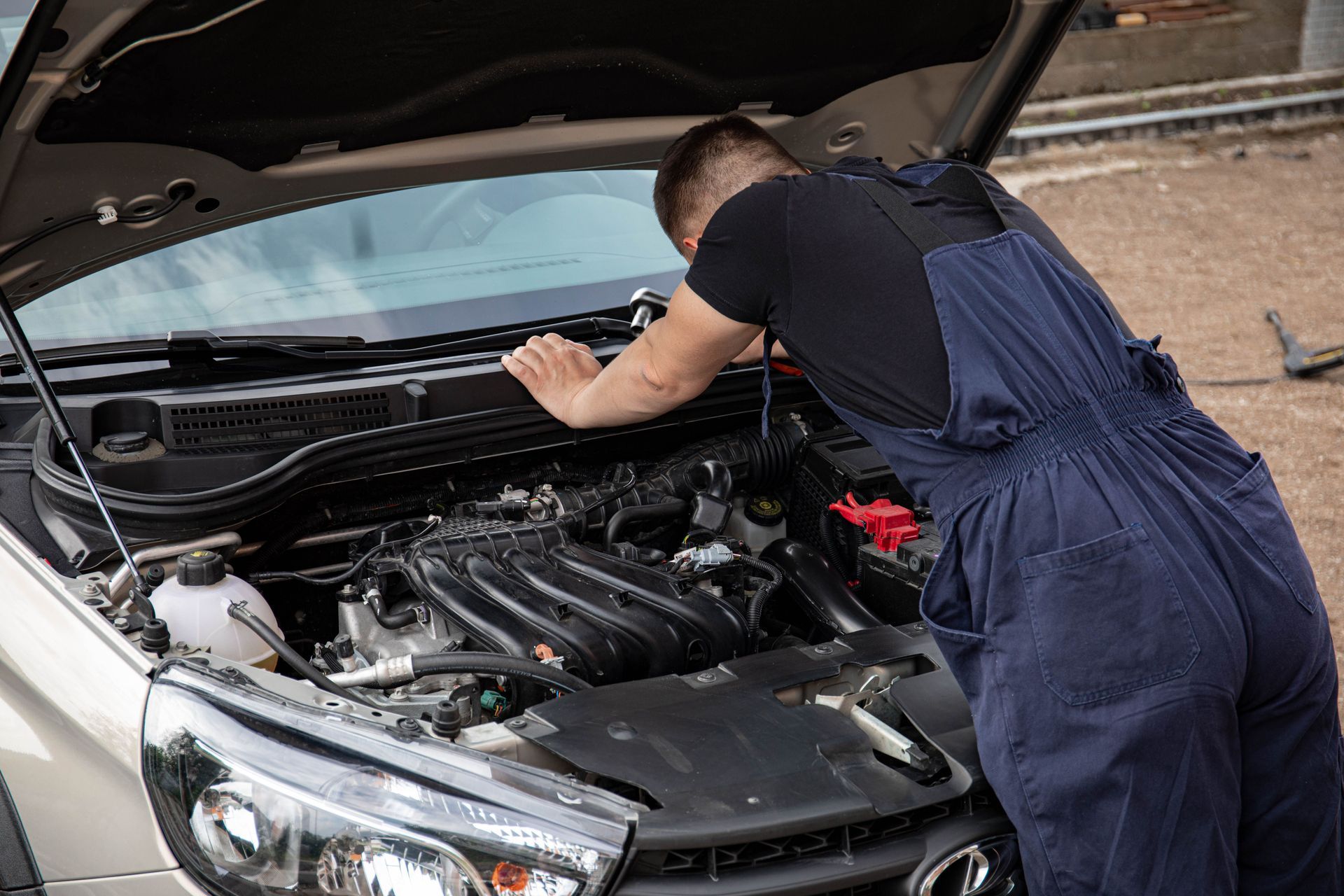
When should you service your car in Arizona? A season-by-season maintenance guide for Valley drivers. Free inspections at AutoWits Scottsdale - call today!
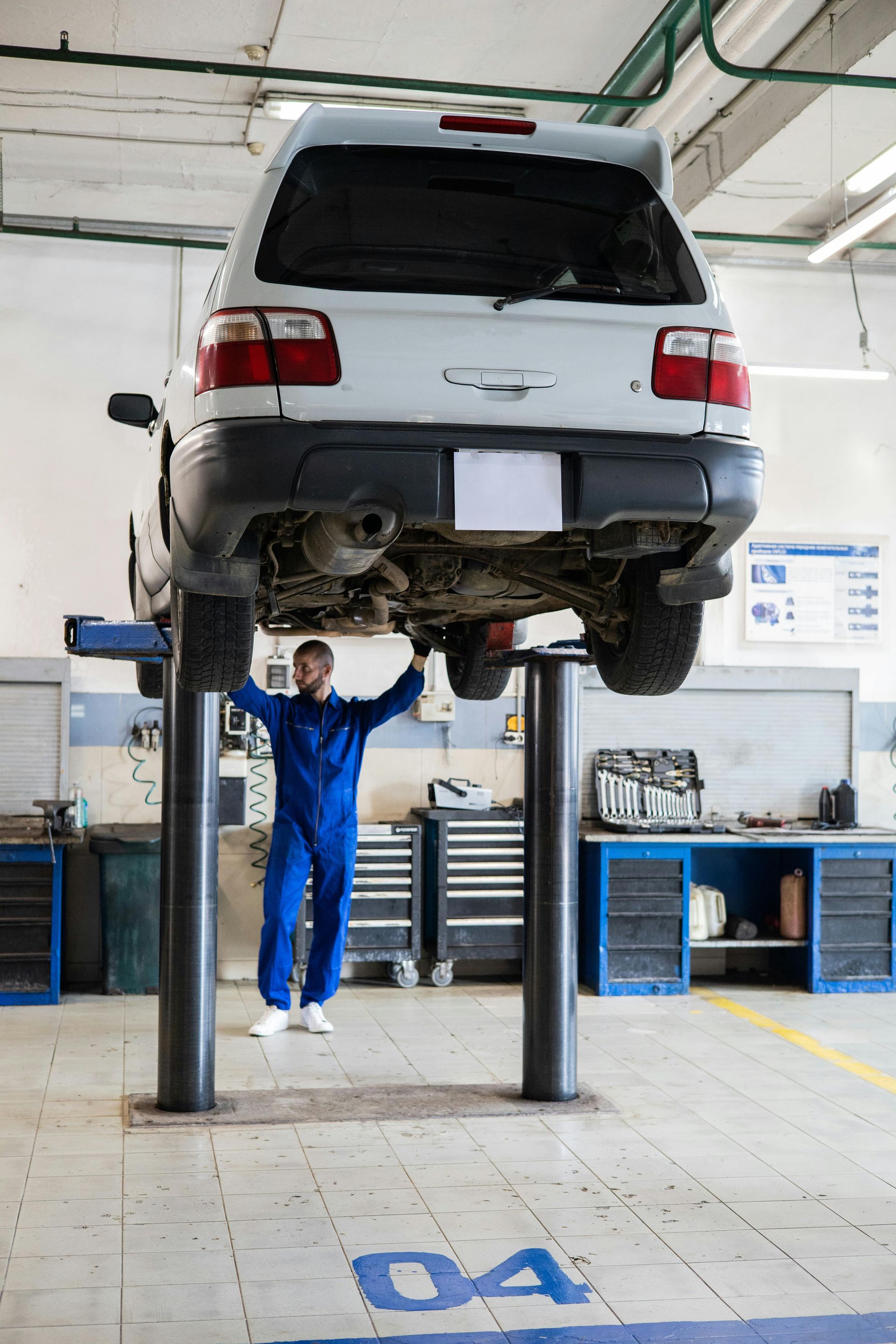
See what a full vehicle inspection actually covers, from brakes to battery, and why Arizona heat makes one essential. Free inspections at AutoWits Scottsdale.

What does auto repair really cost in Phoenix? See how labor, parts, and diagnostics add up. Free vehicle inspections at AutoWits Scottsdale. Call 480-616-1100.
Looking for an honest auto mechanic in Scottsdale? Learn 6 ways to spot a trustworthy repair shop. AutoWits offers free inspections — call 480-616-1100 today!

Know the warning signs before a small issue becomes a big repair
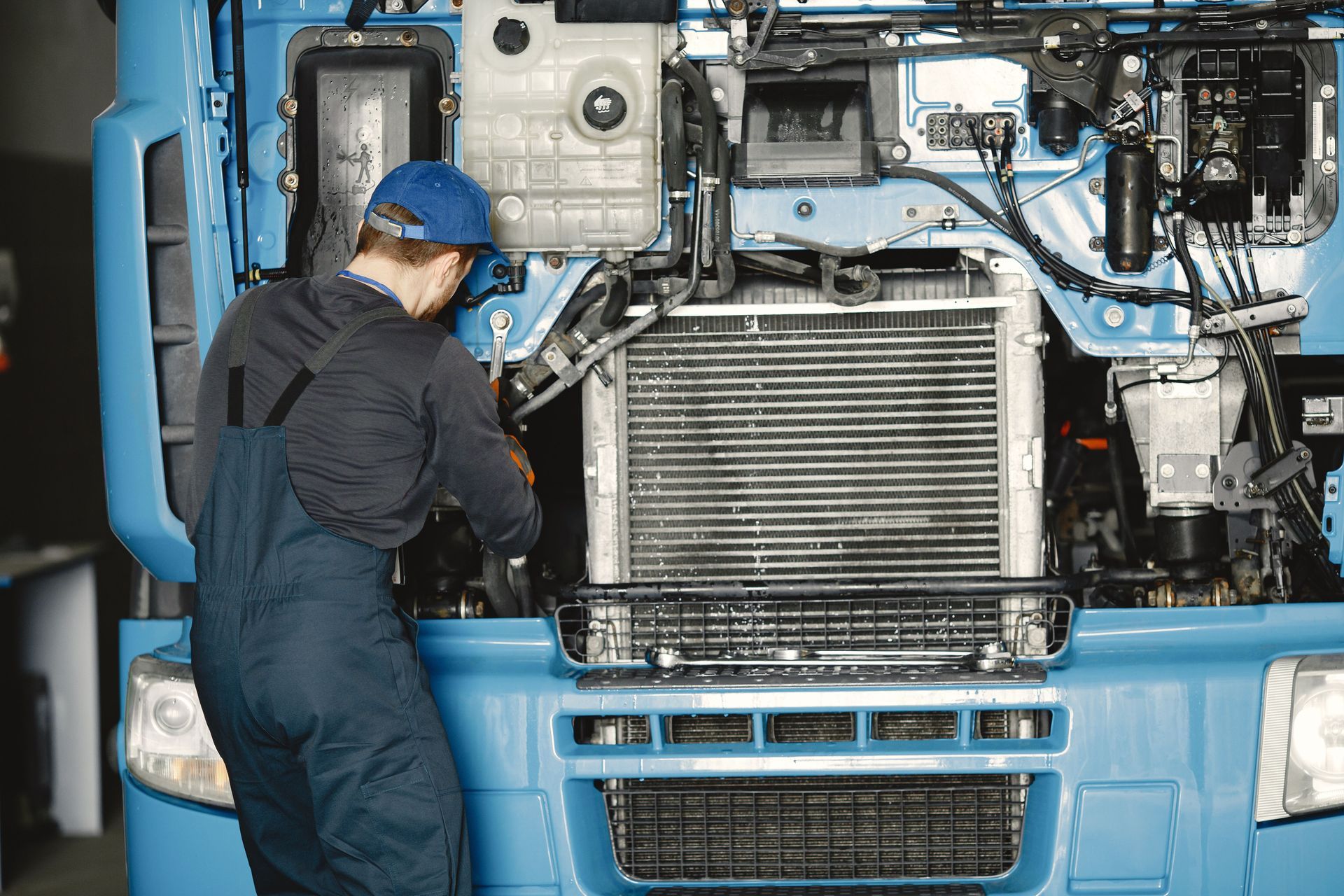
Arizona heat pushing your engine to the limit? Learn 6 cooling system warning signs every Valley driver should know. Free inspections at AutoWits Scottsdale!