Signs Your Belts and Hoses Need Replacement | AutoWits Scottsdale
Your car’s belts and hoses work behind the scenes every time you turn the key. They keep your engine cool, your power steering responsive, your alternator charging, and your air conditioning blowing cold. But because they’re tucked away under the hood, most drivers don’t think about them until something goes wrong — and in Arizona, “something going wrong” usually means being stuck on the side of the road in triple-digit heat. Belts and hoses are made of rubber compounds that degrade over time, and the extreme temperatures across the Phoenix metro area speed up that process significantly. Understanding what these components do and recognizing when they’re wearing out can save you from a costly breakdown. Here’s what every Scottsdale-area driver should know.
Why Belts and Hoses Are Critical to Your Engine
Every modern vehicle relies on a serpentine belt to drive multiple engine accessories at once — your alternator, power steering pump, water pump, and AC compressor all depend on it. Hoses carry coolant between the engine, radiator, and heater core to regulate temperature. If a belt snaps while you’re driving down the Loop 101, your engine can overheat within minutes, your power steering can lock up, and your battery will stop charging. A blown hose has the same effect — without coolant flow, engine temperatures spike fast. These aren’t parts that give you weeks of warning before they fail. When they go, they go suddenly, and the resulting damage to your engine can cost far more than the belt or hose itself. That’s why routine inspection of your belts and hoses is one of the smartest maintenance investments you can make.
How Arizona Heat Accelerates Wear
Rubber doesn’t love heat, and Arizona delivers plenty of it. Summer surface temperatures in the East Valley can push well above 150°F, and under-hood temperatures run even higher. That constant thermal stress causes belts to crack, glaze, and lose tension faster than they would in milder climates. Hoses become brittle on the outside and soft on the inside, developing weak spots that can rupture without warning. Drivers in Mesa, Tempe, and Chandler often see belt and hose failures years earlier than the manufacturer’s recommended replacement interval because those intervals weren’t designed for desert conditions. At AutoWits, we see the effects of Arizona heat on these components every week, which is why we recommend more frequent inspections for vehicles that spend their lives in the Scottsdale sun.
Warning Signs You Shouldn’t Ignore
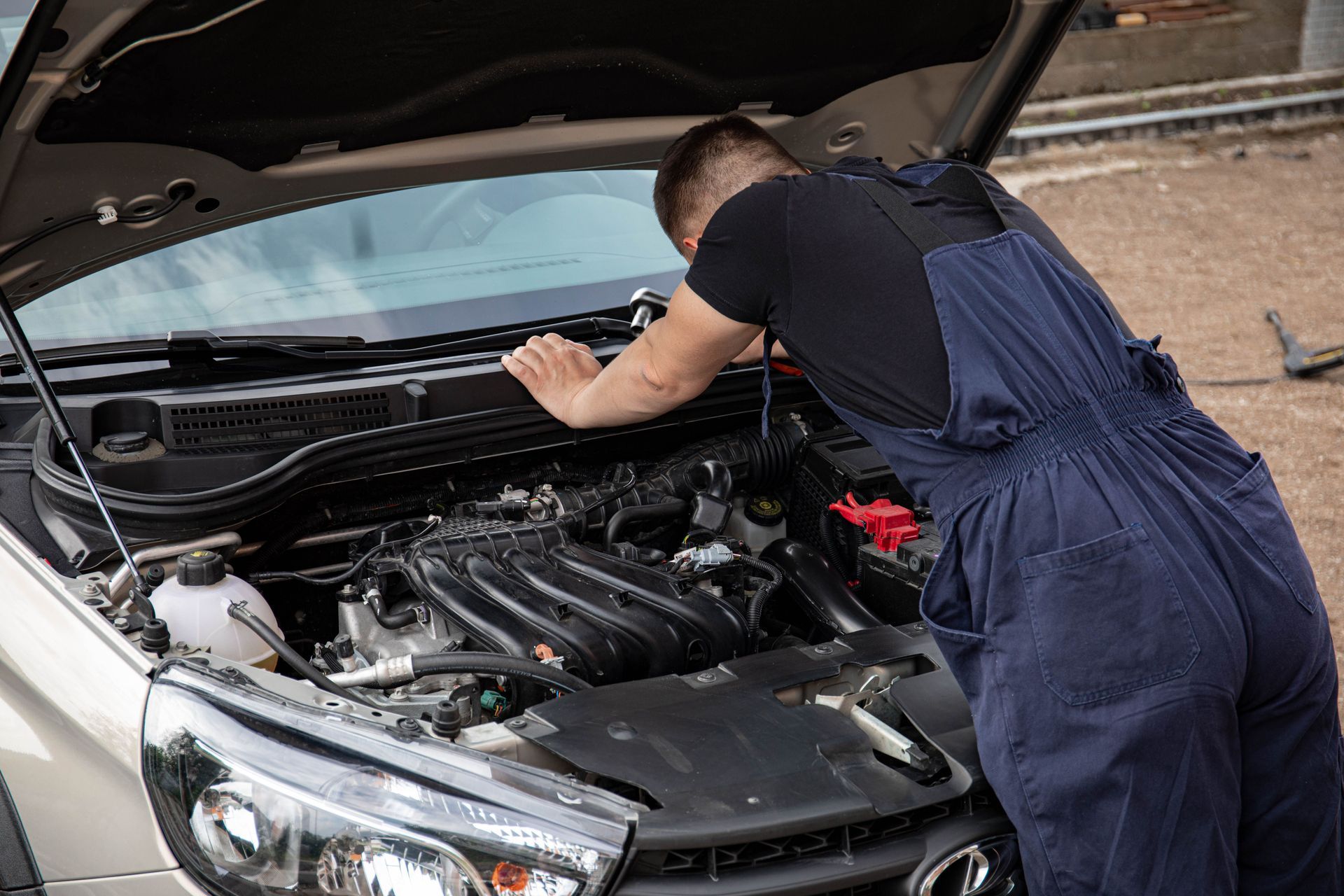
There are a few telltale signs that your belts or hoses are reaching the end of their useful life. A high-pitched squealing noise when you start your car or turn the steering wheel often points to a worn or slipping serpentine belt. Visible cracks, fraying, or a shiny glazed appearance on the belt surface are clear indicators. For hoses, look for swelling, soft spots, or any sign of coolant residue around the connections — that greenish or orange stain near a hose clamp means coolant is seeping out. If your temperature gauge starts creeping higher than normal, or if your AC isn’t cooling as well as it used to, worn belts and hoses could be contributing factors. Rather than waiting for a roadside emergency, bring your vehicle to a professional for a thorough evaluation. Our team at AutoWits can perform a complete belt and hose inspection to catch problems before they leave you stranded.
What Happens During a Professional Belt and Hose Inspection
A proper inspection goes beyond just glancing at the belt. Our technicians check belt tension, alignment, and surface condition using calibrated tools. We squeeze hoses along their full length to feel for soft spots, hardening, or internal deterioration that isn’t visible from the outside. We inspect every clamp and connection point for signs of seepage. We also check the pulleys and tensioners that the belt rides on — a worn tensioner can cause a perfectly good belt to fail prematurely. This kind of detailed inspection is part of our free vehicle inspection at AutoWits, so there’s no reason to put it off. If we find something that needs attention, we’ll walk you through exactly what’s going on and what it will cost to fix — no surprises, no pressure.
When to Replace Your Belts and Hoses
Most manufacturers recommend replacing the serpentine belt every 60,000 to 100,000 miles and coolant hoses every four to five years. But in Paradise Valley and the surrounding Phoenix metro area, we recommend having them inspected every 30,000 miles or every two years — whichever comes first. If your vehicle is over five years old and still running on original belts and hoses, it’s worth scheduling a checkup sooner rather than later. Replacement is a relatively affordable service, especially compared to the cost of an engine overheating on a 115-degree afternoon. A new serpentine belt and quality coolant hoses are a fraction of the cost of a cooling system repair after a failure. Pairing belt and hose replacement with a coolant flush and a tune-up is a smart way to get your vehicle ready for the Arizona summer.
Protect Your Vehicle Before Summer Hits
With summer just around the corner, now is the ideal time to get ahead of belt and hose failures. The last thing any driver wants is a breakdown on a scorching afternoon in Scottsdale or along the I-10 corridor. Proactive maintenance keeps you safe, protects your engine, and avoids the kind of emergency repairs that blow up your budget. A quick inspection today could save you thousands in engine damage down the road. If it’s been a while since your belts and hoses were checked — or if you’re hearing noises, seeing leaks, or noticing temperature changes — don’t wait for the problem to get worse.
Not sure whether your belts and hoses are still in good shape? Stop by AutoWits for a free vehicle inspection — we’ll check everything under the hood and give you a straightforward assessment with no obligation. And before your visit, take a look at our current promotions to save on your next service. Call us at (480) 616-1100 or schedule your appointment online today. We’re here to keep you on the road — not on the shoulder.