Monsoon Season Car Prep: A Scottsdale Driver's Guide
Six Things to Check Before the First Big Storm Hits the Valley
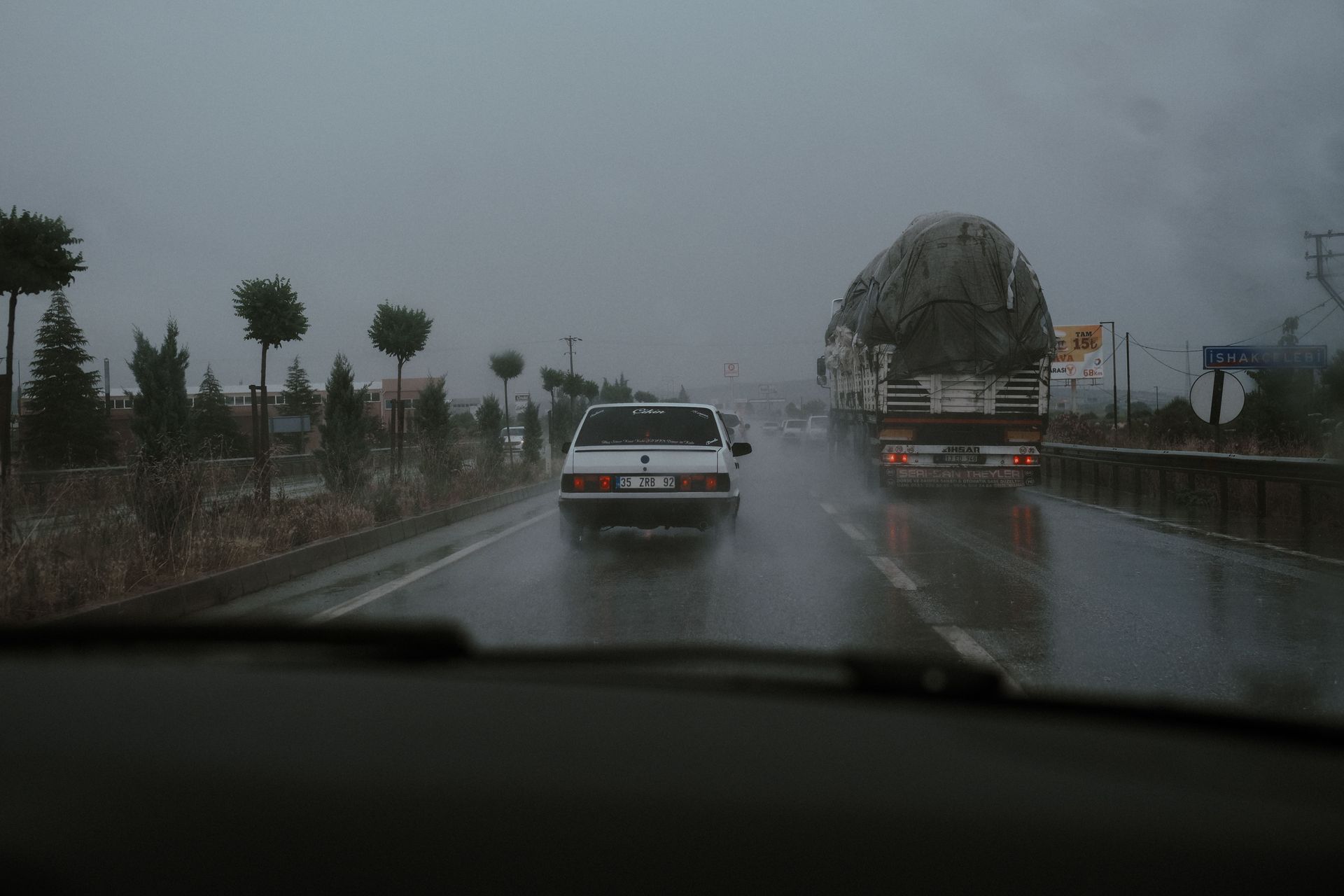
It starts the same way every year. A wall of dust rolls in from the southeast, the sky turns brown, and within minutes the first fat raindrops are hammering your windshield. Arizona's monsoon season officially kicks off in mid-June and runs through September, and the first big storm always catches a few drivers unprepared. After months of bone-dry heat, your car is suddenly asked to handle blinding rain, flooded intersections, and gusty crosswinds — often all in the same commute. The good news? A little preparation now makes storm season a non-event. Here are the six areas we check before every monsoon season, and why each one matters more than you might think.
Wiper Blades Wear Out Fast in the Desert
Wiper blades in the Valley don't wear out from use — they bake. Months of triple-digit heat and intense UV dry out the rubber, leaving it cracked and brittle long before the first storm arrives. The problem is you won't notice until you actually need them, and a monsoon microburst is the worst possible time to discover your blades leave streaks across your line of sight. Visibility in a heavy downpour can drop to a few car lengths, and smeared glass makes it worse. If your blades haven't been replaced since last summer, have them checked now. Our windshield wiper replacement service takes minutes, and we'll top off your washer fluid while we're at it — you'll need it for the dust that comes before the rain.
Your Tires Are Your Only Grip on Wet Roads
Here's something many newer Arizona drivers don't realize: the first rain after a long dry spell makes roads especially slick. Months of accumulated oil and rubber residue float to the surface, creating a greasy film before it washes away. Combine that with worn tread and standing water, and hydroplaning becomes a real risk at surprisingly low speeds. Tread depth matters most — it's what channels water out from under the tire. Heat also causes pressure swings that accelerate uneven wear. Before the storms arrive, have your tread, pressure, and rotation checked with our tire services. If you've ever felt your steering go light crossing a flooded intersection in Mesa, you already know why this one tops the list.
Brakes Face Sudden Stops and Soaked Rotors
Monsoon driving is stop-and-go driving. Traffic slows abruptly when visibility drops, drivers ahead slam their brakes at flooded dips, and you need your braking system to respond instantly — even after rolling through standing water that soaks the rotors. Brakes that are marginal in dry weather become a genuine hazard in a storm. If you've noticed squealing, grinding, a soft pedal, or longer stopping distances, don't head into storm season without having them looked at. Our brake repair service starts with a thorough inspection, and we'll give you an honest read on how much life your pads and rotors have left. A brake system that's ready for a panic stop on a wet road is cheap insurance.
Heat and Storms Are Tough on Batteries and Electrical Systems
Summer heat — not winter cold — is the number one battery killer, and by monsoon season many batteries in the Phoenix area are already running on borrowed time. Storm driving then piles on the demand: headlights, wipers, AC, and defroster all running at once, every time you drive. If your battery is weak or your charging system is struggling, that's when it gives up. Dim headlights, slow cranking, or flickering dash lights are all warning signs worth taking seriously. Our battery testing and replacement service can tell you in minutes whether your battery will make it through the season, and our alternator service catches charging-system issues before they leave you stranded on a flooded shoulder in Tempe.
Your AC Does More Than Keep You Cool — It Clears Your Glass
When humid monsoon air meets a cool windshield, fog builds fast — and a fogged windshield is just as dangerous as a dirty one. Your defroster relies on the air conditioning system to pull moisture out of the cabin air, so a weak AC isn't just a comfort problem during storm season; it's a visibility problem. Airflow matters too: a clogged cabin air filter chokes the system and slows defogging to a crawl. If your vents seem weaker than they used to be or your windows take forever to clear, our AC repair and service and air filter replacement will have the system working the way it should — for comfort on 110-degree afternoons and clear glass when the rain hits.
Don't Let the Rain Fool You — Cooling Systems Still Work Overtime
A storm might drop the temperature twenty degrees, but between storms the East Valley still sees some of its hottest, most humid weather of the year. Your engine's cooling system works hardest in July and August, exactly when monsoon storms are at their peak. Old coolant, aging hoses, and a corroded radiator can all turn a stormy commute into a roadside breakdown. Soft, cracked, or bulging hoses are especially common after years of desert heat. Our cooling system service and belts and hoses inspection catch these problems while they're still inexpensive fixes. Overheating on the side of the Loop 101 during a dust storm is an experience nobody needs.
One good storm has a way of exposing every weak point on a vehicle at once — the wipers, the tires, the battery, all on the same drive home. The smart move is to find those weak points before the weather does. Not sure where your car stands heading into monsoon season? Bring it in for a free vehicle inspection and we'll give you an honest, no-pressure rundown of what's ready and what needs attention. While you're at it, check our current specials to save on your visit. Call us at (480) 771-6144 or stop by — we proudly serve Scottsdale, Chandler, Paradise Valley, and drivers across the Valley, and we'd love to help you drive into storm season with confidence.