Cooling System Warning Signs for Arizona's Peak Summer Heat
How to spot cooling trouble before your engine overheats in the Valley heat
By late July, Scottsdale drivers know the drill: you walk out to a car that's been baking in a 115-degree parking lot, crank the AC, and merge onto the Loop 101 into shimmering heat. You feel it — but your engine feels it more. While you stay cool inside the cabin, your cooling system is working overtime to keep the engine itself from boiling over. This is the stretch of summer when overheating problems show up most, and they rarely happen without warning. Knowing what those early signals look like can be the difference between a quick fix and a cracked engine block on the side of the road. Here's what your cooling system may be trying to tell you — and why now is the time to have it checked.
Why Arizona's Extreme Heat Punishes Your Cooling System
Your engine's cooling system has one job: pull heat away from the engine and release it into the air. In much of the country that's a manageable task. Across the Phoenix metro, where summer pavement temperatures soar and traffic can leave you idling in triple-digit heat, the system has far less margin for error. Coolant circulates faster, the radiator fights to shed heat into already-hot air, and every hose, seal, and pump works harder than it would in a milder climate. Small weaknesses that might go unnoticed during a Tempe winter get exposed fast in the summer. That's why a professional cooling system inspection matters more in the desert than almost anywhere else.
Keep an Eye on Your Temperature Gauge
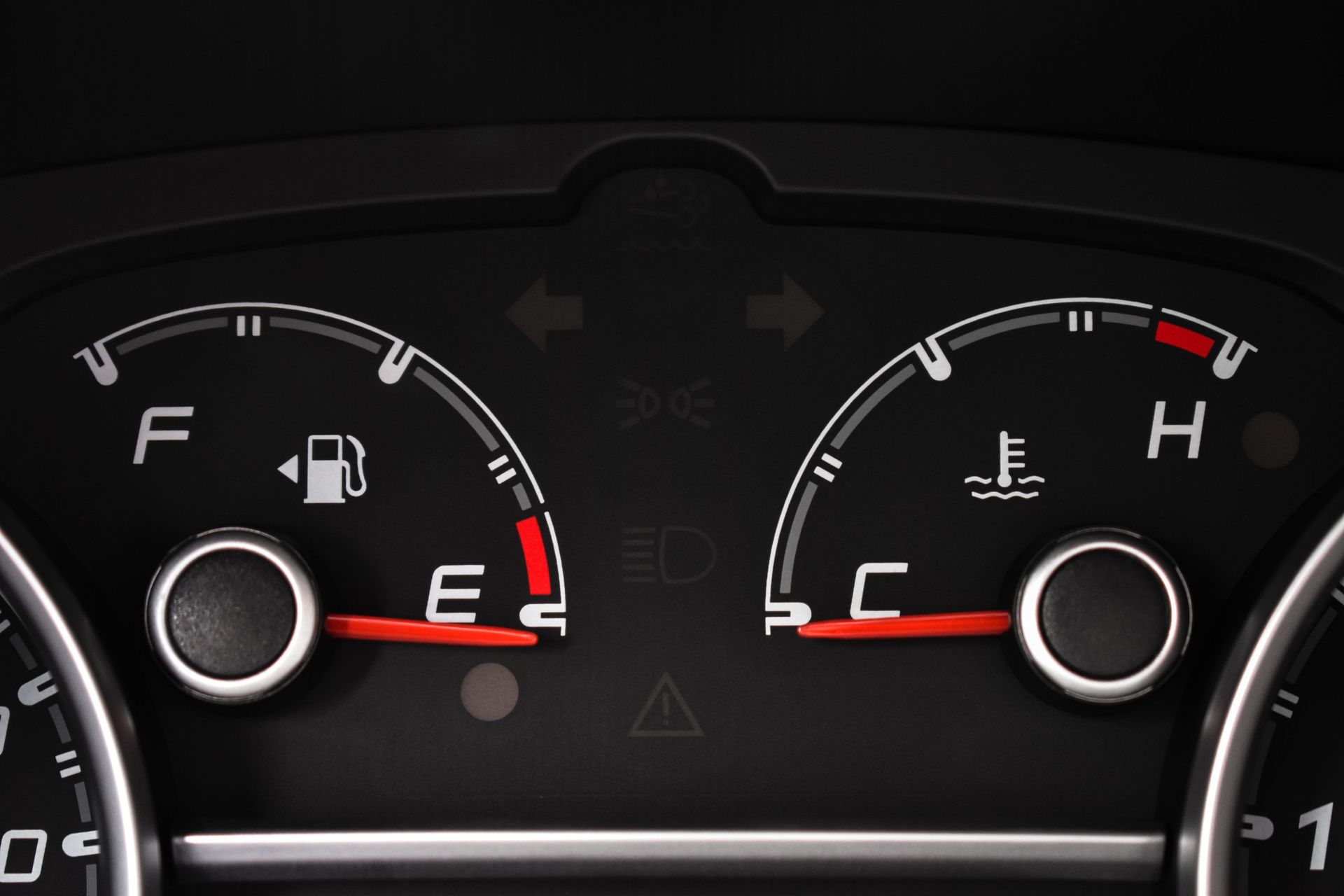
That gauge on your dashboard is your first and best early-warning tool. Normally the needle settles around the middle and stays there. If you notice it drifting toward the hot zone — especially while idling at a stoplight or climbing a grade — your system is struggling to keep up. A needle that spikes and then drops can point to a failing thermostat or a low coolant level. Many newer vehicles skip the gauge and simply flash a warning, and some tie overheating symptoms to the check engine light. Either way, a reading that's higher than usual is never something to "wait and see" on in this heat. Pull over safely and get it looked at.
Don't Ignore Coolant Leaks and Puddles
Coolant is usually bright green, orange, or pink, and it carries a faintly sweet smell. If you spot a colored puddle under the front of your car, or a sticky residue near the radiator, you likely have a leak. Even a slow drip is a problem, because a system that's low on coolant can't regulate temperature — and in this climate, that gap closes fast. Leaks commonly trace back to a tired radiator, a loose clamp, the water pump, or a cracked reservoir. Because pinpointing the source takes pressure testing and trained eyes, this is a job for a professional. Our team can find the leak and handle the cooling system repair before it strands you in Mesa traffic.
Old Coolant Loses Its Protective Power
Coolant doesn't last forever. Over time it breaks down, turns acidic, and loses its ability to transfer heat and resist corrosion — and relentless desert heat speeds that breakdown up. Old, rusty-looking coolant can leave deposits that clog the radiator and cause the very overheating it's meant to prevent. Most manufacturers recommend a coolant flush at set mileage intervals, but plenty of drivers push well past due without realizing it. If you can't remember your last flush, you're probably overdue. A fresh fill of the correct coolant restores protection and is one of the most affordable ways to guard against a summer breakdown from Paradise Valley to the East Valley.
Check the Hoses, Belts, and Radiator
The cooling system is more than fluid. Rubber hoses carry coolant between the engine and radiator, and after years of intense sun they grow brittle, swell, or crack — a burst hose is one of the most common causes of a sudden roadside overheat. The belts that help drive your water pump face the same heat fatigue, which is why we check belts and hoses together. The radiator itself can clog or corrode over time. And the same brutal heat that strains cooling also punishes your battery and AC system, so a single visit can cover more than one summer risk at once.
Don't Wait for the Steam
Here's the hard truth about overheating: by the time you see steam rising from under the hood, real damage may already be done. An engine that runs too hot can warp its cylinder head, blow a head gasket, or crack the block — repairs that cost far more than the maintenance that would have prevented them. The good news is that cooling problems almost always announce themselves first, through a creeping gauge, a small leak, or coolant that's overdue for a change. Catching those signs early is simple, and it's exactly what a routine check is for. Don't gamble with the hottest weeks of the year — a few minutes now can save you a very expensive tow later.
Your cooling system is what stands between your engine and the worst of the summer heat, and it shouldn't be left to chance. If your temperature gauge has been climbing, you've spotted a leak, or you simply can't remember your last coolant service, don't guess. Bring your car into AutoWits for a free vehicle inspection and we'll give you an honest, no-pressure assessment of exactly where your cooling system stands. While you're planning your visit, check our current specials for extra savings on the service you need. Call us at (480) 771-6144 or schedule online today — and drive through the rest of the Scottsdale summer with confidence.