Should You Get a Second Opinion on a Car Repair?
When a second look saves you money — and when it just costs you time

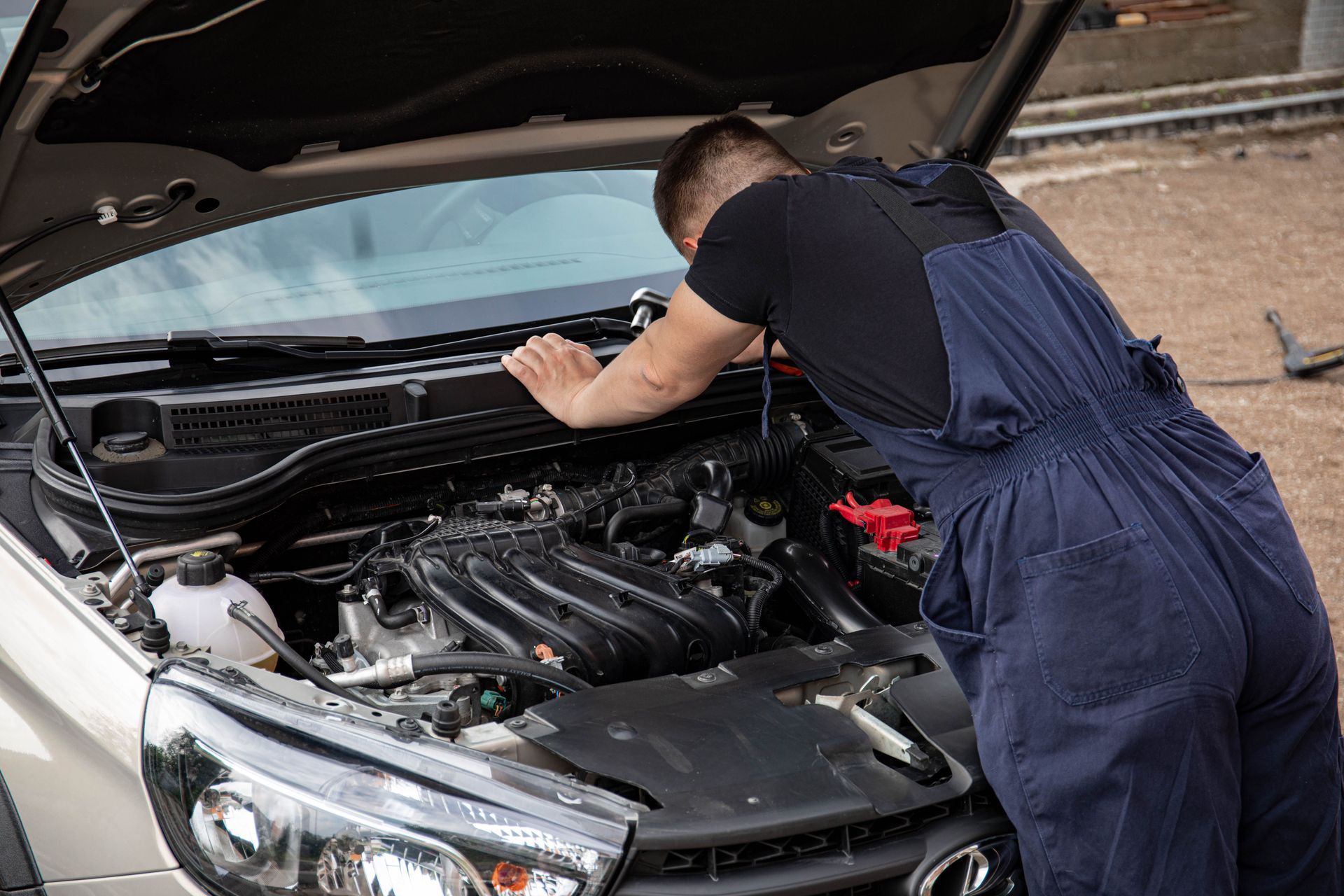
A shop hands you an estimate with a number on it that makes you blink, and the first thought is usually the same one: is this real? Asking that question doesn’t make you a difficult customer. It makes you a careful one. Second opinions are routine in medicine and nobody takes offense, and the same should be true for your car. The catch is that another opinion only helps if you go about it the right way, because otherwise you spend a week and two diagnostic fees to end up exactly where you started. Here is how drivers around Scottsdale and the East Valley can tell when a second look is worth it, what to bring along, and how to make sense of two answers that don’t match.
A second opinion earns its keep when the stakes are high or the explanation is thin, not every time a repair costs more than you hoped.
When a Second Opinion Is Worth Your Time
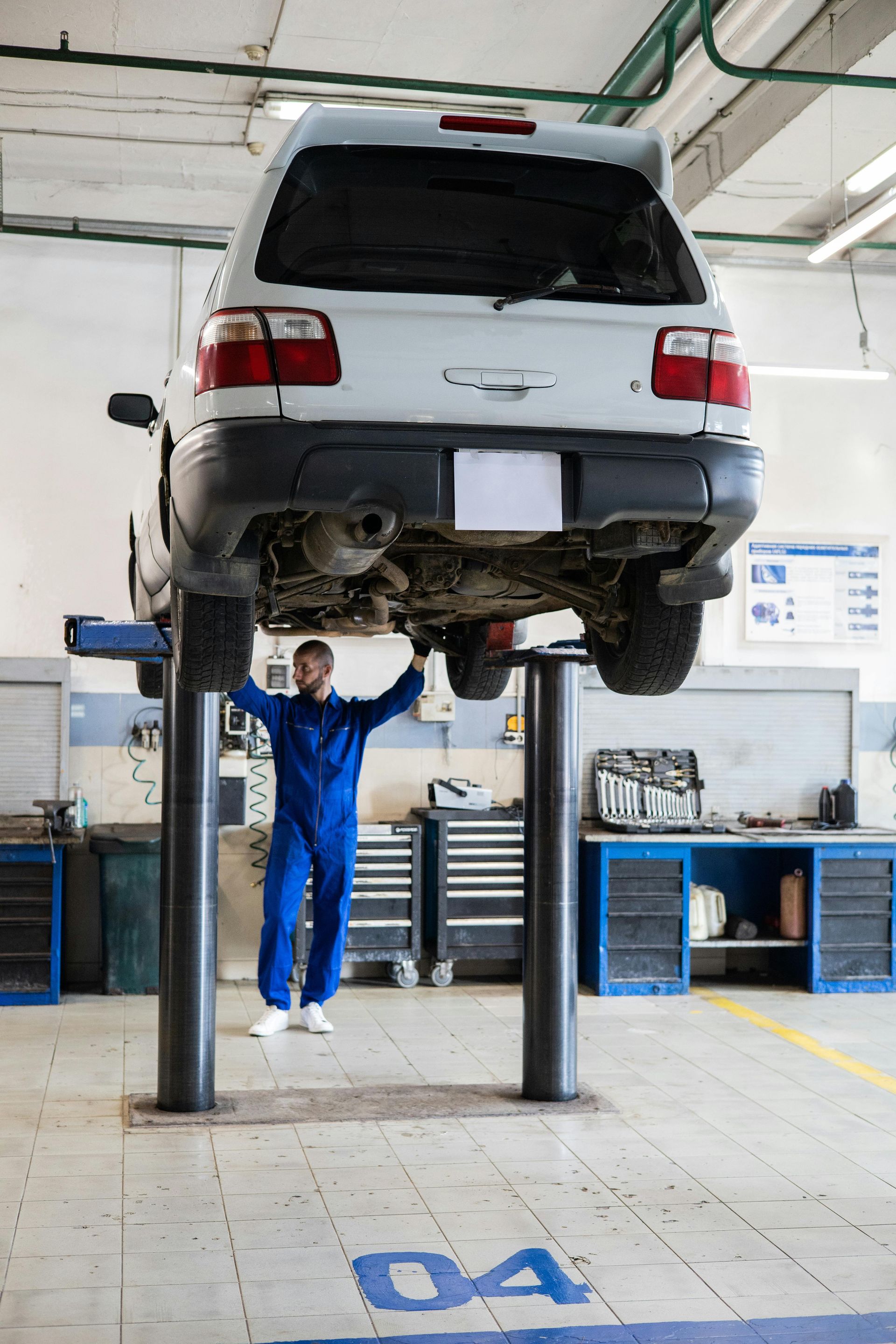
Three situations make another look worthwhile. The first is cost: once an estimate climbs into four figures, a second set of eyes is cheap insurance. The second is scope, especially when a major system is involved. With transmission work or internal engine repair, the difference between a rebuild and a replacement can be thousands of dollars, and that gap deserves confirmation. The third reason is the most important one, and it is explanation. If nobody can tell you what failed and why, that alone is reason to ask someone else. A shop recommending brake repair should be able to show you the measurements on the pads and rotors, not just hand you a total.
When It Probably Isn’t Worth It
Chasing a second opinion on every repair gets expensive in time and lost workdays. Routine maintenance rarely needs one, because oil changes, filters, wipers, and fluid services are standardized enough that honest shops land in the same neighborhood on price. Work you have already been shown evidence for doesn’t need a tour of Mesa and Tempe either. If you can see the leak or hold the worn part in your hand, the diagnosis isn’t really in question. Weigh the cost of a second diagnosis against what it could realistically save you. Spending a diagnostic fee and two days to double-check a $300 repair is a poor trade; doing it on a $3,500 one is simply good sense.
What to Bring to the Second Shop
Walk in with information and you will get a better answer. Bring the written estimate with its line items and labor hours, any diagnostic trouble codes the first shop pulled, and your service records if you have them. Then describe the symptom in your own words, including the noise, when it happens, and what changes it, rather than leading with the first shop’s conclusion. Let the second shop reach its own diagnosis before you share the first one. If you hand over a verdict, agreement is the easy response. A shop that runs its own engine diagnostics and testing from scratch gives you something genuinely independent to compare against.
How to Compare Two Estimates Fairly
Two totals are rarely describing the same work. Check whether both quotes cover the same parts, since original-equipment and aftermarket components differ in price and sometimes in lifespan. Check whether the labor hours are quoted for an identical job. One estimate might include flushing and refilling the cooling system while the other leaves it out, which explains a gap that looked suspicious at first glance. Compare line by line rather than bottom line to bottom line. Warranty belongs in that comparison too: a shop standing behind parts and labor for three years is offering something different from one with a 90-day policy, even at the same price.
Why Two Shops Can Honestly Disagree
Different answers do not automatically mean somebody is being dishonest. Intermittent problems are genuinely difficult, and an AC system that cools fine in the morning and quits in a Chandler parking lot at three in the afternoon can test clean in one bay and fail in another. Shops also differ in philosophy. One may replace a worn suspension and steering component now while another says it has a season left in it, and both positions can be defensible. The tiebreaker is usually whoever explained their reasoning best. A technician who walks you through what was measured, what was ruled out, and what comes next has earned more trust than a lower number alone.
Getting a Straight Answer Without the Runaround
The frustrating part of this process is usually the cost of asking, since paying twice to learn what is wrong feels like a penalty for being careful. That is exactly why we offer a free vehicle inspection. Bring us an estimate from anywhere in the Phoenix area, let us look the car over, and get an honest read without paying for the privilege. Sometimes we confirm what you were already told, and that is a useful answer too, because it means you can move forward with confidence. A good shop will tell you plainly when the other shop was right. Either way you should leave with a prioritized list of what is urgent, what can wait, and what each item costs.
Your second-opinion checklist:
- Ask for one when the bill is large, the system is major, or the explanation is thin
- Skip it for routine maintenance and for problems you have been shown directly
- Bring the written estimate, diagnostic codes, and service records
- Describe the symptoms first and share the other diagnosis second
- Compare parts, labor hours, and warranty rather than just the total
- Choose the shop that explains its reasoning, not simply the lower number
Have an estimate you are not sure about? Bring it to AutoWits in Scottsdale and we will take a look with a free vehicle inspection — no cost, no obligation, and a straight answer about what your car actually needs. If the work checks out and you would like us to handle it, look over our current specials first to save on the visit. Call 480-616-1100 and we will get you on the schedule.